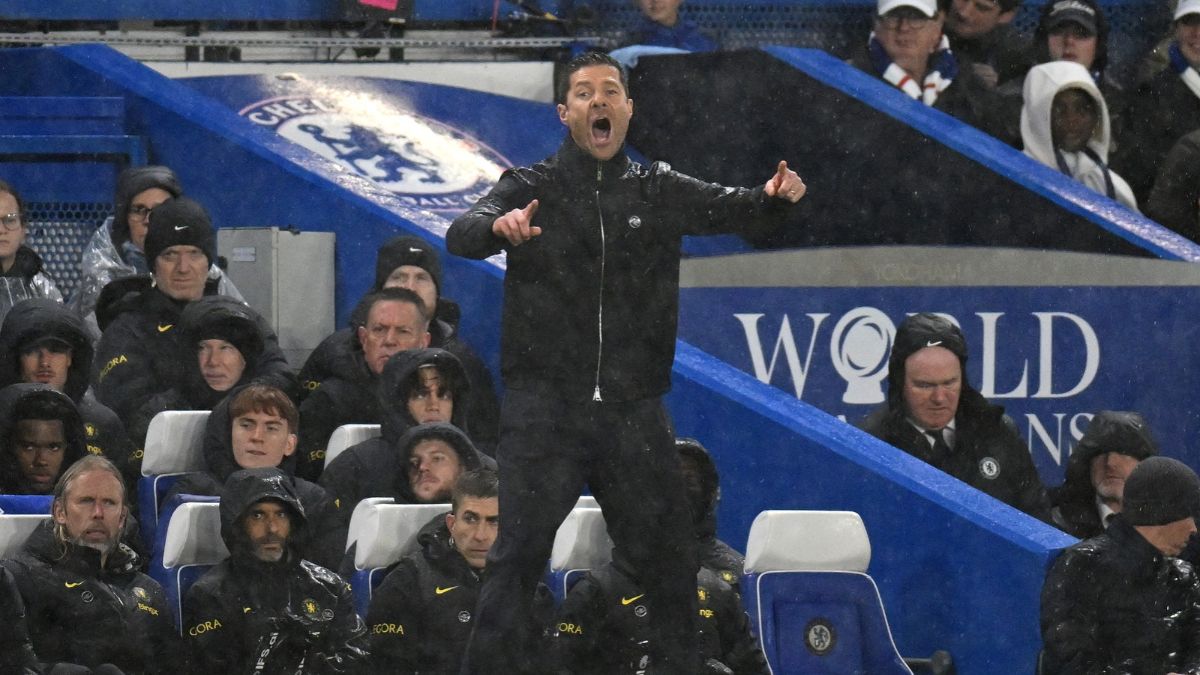
Chelsea’s 2-0 defeat to Tottenham Hotspur at Stamford Bridge on Saturday exposed more than just tactical weaknesses. A costly mistake from goalkeeper Mike Penders and a red card for Cole Palmer turned an already difficult afternoon into a frustrating result for Xabi Alonso’s side. The defeat ended Chelsea’s hopes of securing a third consecutive Premier League victory and raised questions about how the team responds when matches become increasingly demanding. Beyond individual errors, the encounter highlighted a familiar challenge in competitive football: maintaining concentration and making the right decisions under pressure.
Chelsea’s costly decisions against Tottenham
The London derby offered a clear example of how quickly individual decisions can influence a football match. Chelsea had struggled to establish control against Tottenham, but the contest remained goalless until the 77th minute. That changed when Penders, making his first Premier League start, attempted to punch away a corner but inadvertently sent the ball into his own net.
The situation became even more difficult when Palmer received a second yellow card, leaving Chelsea with ten players. Tottenham subsequently added another goal through Mathys Tel, securing a 2-0 victory. For Alonso, the match demonstrated how mistakes in crucial moments can undermine a team’s efforts, regardless of the preparation that takes place beforehand.
High-pressure situations trigger a range of psychological and physical responses in athletes. The brain must process information in real time, including opponents’ movements, tactical instructions and positioning. Under the effects of adrenaline, some players thrive while others may hesitate or make mistakes. Stress can affect the brain’s decision-making processes, particularly when athletes have little time to assess their options.
The same principle of decision-making under pressure can be observed beyond the football pitch. In online poker, for example, players also have to process changing information and make decisions within limited time, although the setting and nature of the decisions are very different. This illustrates how concentration and emotional control can influence decision-making across different activities, without suggesting that their outcomes depend on the same factors.
Why mental resilience matters for Chelsea’s squad
Chelsea’s current squad combines emerging talent with more experienced footballers, creating an environment in which players must adapt to different expectations and responsibilities. For younger players in particular, the demands of Premier League football can be considerable. Mistakes are analysed immediately, performances are discussed across social media and supporters expect consistent results.
Penders’ experience against Tottenham illustrates how difficult these situations can become. Having stepped into the starting line-up following Emiliano Martinez’s injury, the young goalkeeper faced the challenge of performing in a major London derby. His error proved costly, but the ability to recover from such setbacks is an important part of developing as a professional footballer.
Mindset plays a significant role in how athletes respond to these experiences. Players who develop mental resilience are often better equipped to block out distractions and maintain their focus. Techniques such as visualization, breathing exercises and simulated match situations can help athletes prepare for moments when emotions run high.
For Chelsea, developing that resilience across the squad could prove particularly valuable during a demanding Premier League campaign. The ability to respond positively after conceding a goal, missing an opportunity or making an individual mistake can influence the outcome of closely contested fixtures.
Split-second choices can change Chelsea’s matches
Football is filled with situations that require instant judgement. A midfielder must decide whether to retain possession or launch a counterattack. A defender has to determine when to press an opponent, while an attacking player may have only seconds to choose between shooting and passing.
Chelsea’s performances under Alonso place considerable importance on these decisions. The manager’s tactical approach requires players to understand their positioning, recognise opportunities and respond quickly when possession changes. Even a well-organised system can become vulnerable when individual decisions are poorly timed.
Often, success is not simply about technical ability or natural talent. Players must interpret their opponents’ intentions, adapt to changing circumstances and remain aware of tactical instructions throughout a match. Studies in sports psychology explore the importance of psychological preparation in athletic performance.
One relevant concept is “decision fatigue”, which describes how sustained mental demands can affect the quality of subsequent choices. During football matches, players repeatedly assess risks, react to opponents and adjust their movements. As physical and mental fatigue increases, maintaining the same level of concentration can become more difficult.
This is particularly relevant during the closing stages of matches, when a single defensive mistake or moment of poor judgement can determine the final result. Chelsea’s defeat against Tottenham provided a reminder that maintaining composure is just as important as executing the tactical plan.
Alonso faces the challenge of building greater consistency
For Xabi Alonso, improving Chelsea’s consistency involves more than refining formations and attacking patterns. The Spanish manager must also help his players develop the confidence and discipline required to perform under pressure.
Chelsea’s recent results demonstrate how quickly circumstances can change. The Blues secured a 2-0 away victory against Everton on 17 October, with Pedro Neto scoring twice. A week later, however, the defeat to Tottenham showed how difficult it can be to maintain momentum in the Premier League.
Mental preparation is an important complement to physical training at the highest level. Coaching staff can use repetitive drills and match simulations to help players become more comfortable making decisions in demanding situations. Over time, experience also allows footballers to develop stronger “game intelligence“: the ability to anticipate developments, adapt to changing circumstances and act decisively.
This development is especially important for younger Chelsea players who are still gaining experience at senior level. Learning from established teammates and reflecting on difficult matches can help them become better equipped to manage expectations.
A strong collective understanding within the squad also matters. Players who trust one another and understand their individual responsibilities are better positioned to respond when a match does not unfold as planned.
Stamford Bridge expectations add another layer of pressure
The environment surrounding Chelsea can significantly influence how players experience pressure. Stamford Bridge has witnessed major domestic and European successes, and those achievements contribute to the expectations placed on each new generation of footballers.
Supporters naturally want to see their team compete for trophies and deliver convincing performances. However, the scrutiny surrounding individual mistakes has intensified with the growth of social media, instant replays and continuous football coverage. A single decision can become a major talking point long after the final whistle.
The support structure around players, including coaches, teammates and family members, can help them manage these demands. Clubs that encourage open communication, constructive feedback and learning from mistakes can create an environment in which athletes feel better prepared to recover from setbacks.
For Chelsea, the challenge following the Tottenham defeat is to ensure that individual errors do not develop into a wider loss of confidence. Alonso’s side must find ways to maintain concentration, respond to difficult situations and make better decisions when matches become unpredictable.
The defeat at Stamford Bridge was a reminder that Premier League football is often decided by fine margins. Tactical organisation and technical quality remain essential, but the ability to remain composed under pressure can be equally influential. As Chelsea look to regain momentum, mental resilience and sound decision-making will remain important parts of their pursuit of consistent performances.