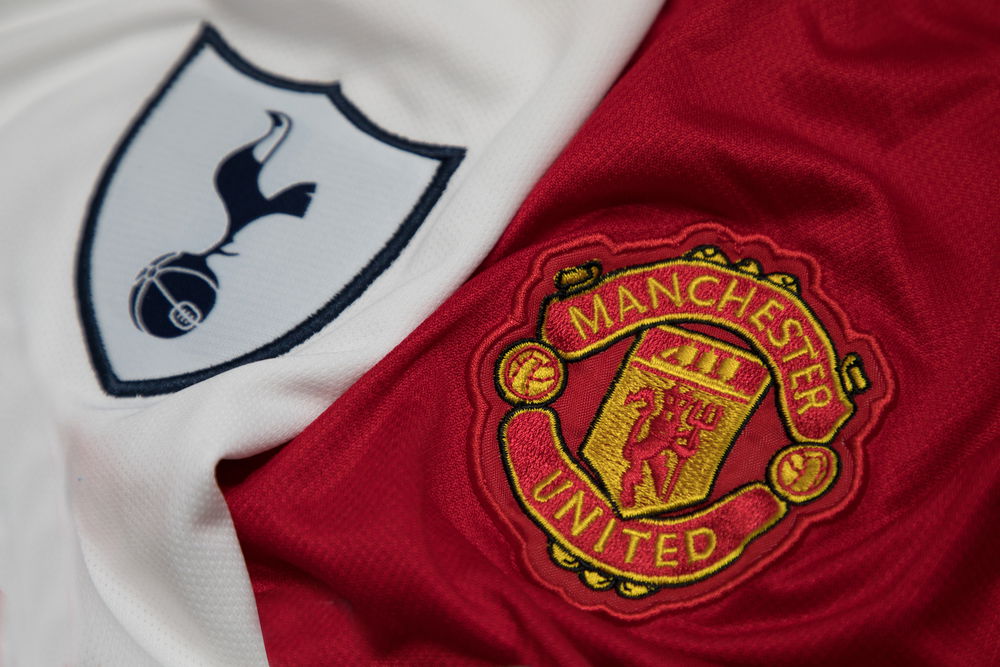
The ‘plague’ of injuries that’s hit Manchester United and Tottenham Hotspur this season is a sign of something being wrong in the game.
That’s according to ‘athletic trainer’ Eugenio Albarella. He’s been discussing Napoli’s injury issues on Radio Marte, relayed by Area Napoli.
The Italian champions are currently suffering from something of an injury crisis, with several stars out. Romelu Lukaku and Kevin de Bruyne are currently chief among them, both suffering muscle injuries.
They’re one of several out, with David Neres, Giovanni Di Lorenzo, Frank Anguissa and Amir Rrahmani also on the absentee list.
Premier League injuries
It’s a growing problem in the game, with an increased workload and schedule asking more and more from players across the game. That’s also been seen in the Premier League.
Last season alone, there 593 injuries across the league, with 2597 games missed and 21,451 days lost in total. Tottenham were among the most affected.
Spurs currently have 12 players out, the most in the Premier League by a distance. They suffered 41 injuries in total last season, the third most.
Manchester United, meanwhile have three out at present. They had 33 injuries in total last season, costing 1295 days and 156 games in total.
Tottenham and Manchester United ‘plague’
There’s a clear trend across the game and Albarella thinks the plague is spreading. He referenced Tottenham and Manchester United while discussing the issues in Naples.
“Today there isn’t enough leeway to adapt to the performance times that modern football requires,” he said
“Above all, the intensity has increased. If there’s no opportunity to prepare adequately, the injury rate inevitably increases. Napoli is among the top teams that play every three days.
“Tottenham and Manchester United have faced matches with 15-18 players unavailable: it’s a plague that doesn’t just affect Napoli, because it’s a plague that I define as systemic.”