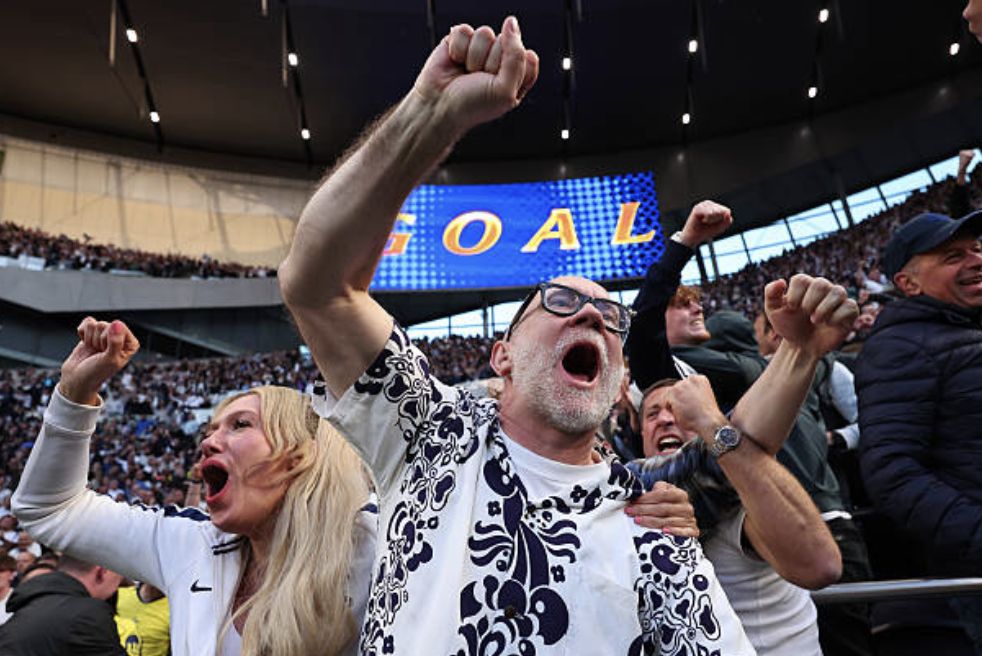
You couldn’t make it up. Tottenham Hotspur are advertising for a Performance Psychologist (and one for the women’s team) to provide mental support to their struggling men’s first-team players. Matt Law says that the club are looking for a psychologist to heal players’ minds.
As Law says, “Roberto De Zerbi, the new head coach, has already identified the need to work on the players’ minds and to instil some confidence back into the squad, who have not won in the league this year.”
The advertisement says:
Embedded in the men’s first team at Hotspur Way.
Lead evidence-based psychological support for elite players.
Work on individual support, systemic work with coaching/performance staff, and building a strong mental performance culture.
Requires credibility, discretion, trust-building, and high-level Premier League experience.
Personally, I cannot understand why the club wouldn’t approach a specialist privately. It all seems a bit public. Sports psychology is increasingly common at the elite level to handle pressure, confidence issues, and the mental toll of inconsistent results or high expectations. It’s a pragmatic step for a club trying to stabilise both short-term survival and long-term performance.
This move comes amid a tough season: Spurs sit 18th in the 2025/26 Premier League table with 7 wins, 10 draws, and 16 losses (31 points, -11 GD from 33 games), having recently dropped into the relegation zone.
Tottenham has previously invested in mental health support, such as a Mental Health and Emotional Wellbeing Manager for the academy in 2021 (making them the first ‘Big Six’ club to do so). Players like Richarlison have publicly praised therapy and psychologists for helping with personal and performance issues.
Some may question this, but it is increasingly the norm.
Liverpool: Worked with Dr. Steve Peters (known for The Chimp Paradox) during title challenges for mental toughness and emotional regulation. Lee Richardson served as Performance Psychology Consultant (appointed around 2019), supporting Jürgen Klopp’s squad with performance and mindset work. Psychology is integrated into high-pressure periods like title races.
Arsenal: Strong focus on youth academy mental training from a young age. Integrated psychological support under managers like Mikel Arteta, including techniques for concentration and handling pressure (e.g., pre-match routines). Part of a proactive, long-term approach to player development.
Whatever it takes.