Pre-Match Analysis: Tottenham Hotspur head to Nottingham Forest
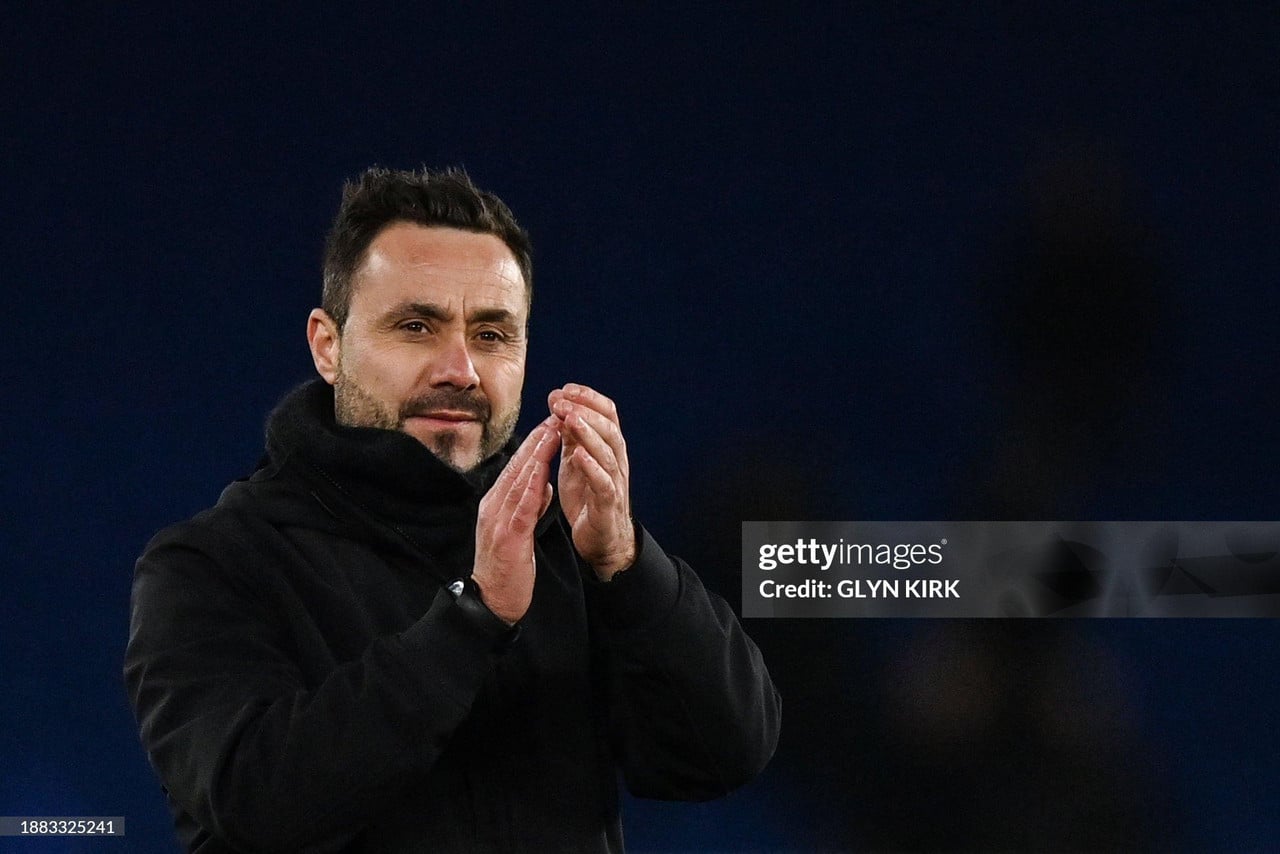
Tottenham Hotspur made several signings during the summer window and there was a hope that this season would be different. In the last two Premier League campaigns they finished in 17th place but this season Roberto De Zerbi will be hoping for more.
However, they have kicked off the new season with successive league defeats. On the opening weekend, Spurs lost 3-0 at Brentford and last week it was a 2-0 defeat at home to Newcastle United.
Success came in the EFL Cup with a 5-1 victory over Championship side Charlton Athletic but the North Londoners are yet to find the back of the net in the Premier League.
They make the journey north to face Nottingham Forest this week. Former Crystal Palace manager, Oliver Glasner is now in charge at the City Ground. His side suffered a late defeat to Leeds United on the opening day, before also losing to Daniel Farke's side in the EFL Cup.
Forest did draw 2-2 away at Anfield last week, against Liverpool where they picked up their first point of the season and left Merseyside with positives to take from the game.
When the two sides met last season, Forest completed a league double over Spurs. Both matches finished 3-0 to Forest.
Embed from Getty Images
The defeat at the Tottenham Hotspur Stadium back in March left Spurs with a lot of work to do to avoid relegation, which they did with the arrival of Roberto De Zerbi a week after the Forest defeat.
Lack of goals a concern
The fact that Spurs have failed to score in their opening two league games may be a cause for concern.
It was a poor performance against Brentford on the opening day and the game simply got away from Spurs. De Zerbi's side never really got going and the scoreline could have been worse than it was, following Igor Thiago's missed penalty.
The display against Newcastle United was better but, again, two second half goals proved to be the difference.
They could not recover from the setback.
Mathys Tel's free-kick that sailed high and wide summed up the attacking threat of Spurs.
Embed from Getty Images
Omar Marmoush joined from Manchester City in the transfer window but he had a quiet afternoon.
Fellow striker Dominic Solanke scored against Charlton but is yet to start a league game and Mikey Moore, who has featured in the two league games, has now left the club on a loan deal.
If Spurs are to gain a positive result against Forest then they will need to look sharper in front of goal.
Same defensive errors
The goals that Spurs have conceded in their first two games have largely been avoidable.
They have been caught ball-watching at times or have been too slow to react.
Yoane Wissa's goal for Newcastle was a clever flicked finish in the box but the striker was allowed too much space to make the required contact.
Defensively, Spurs have struggled for the past two seasons but they cannot keep switching off at the back if they want to climb the table.
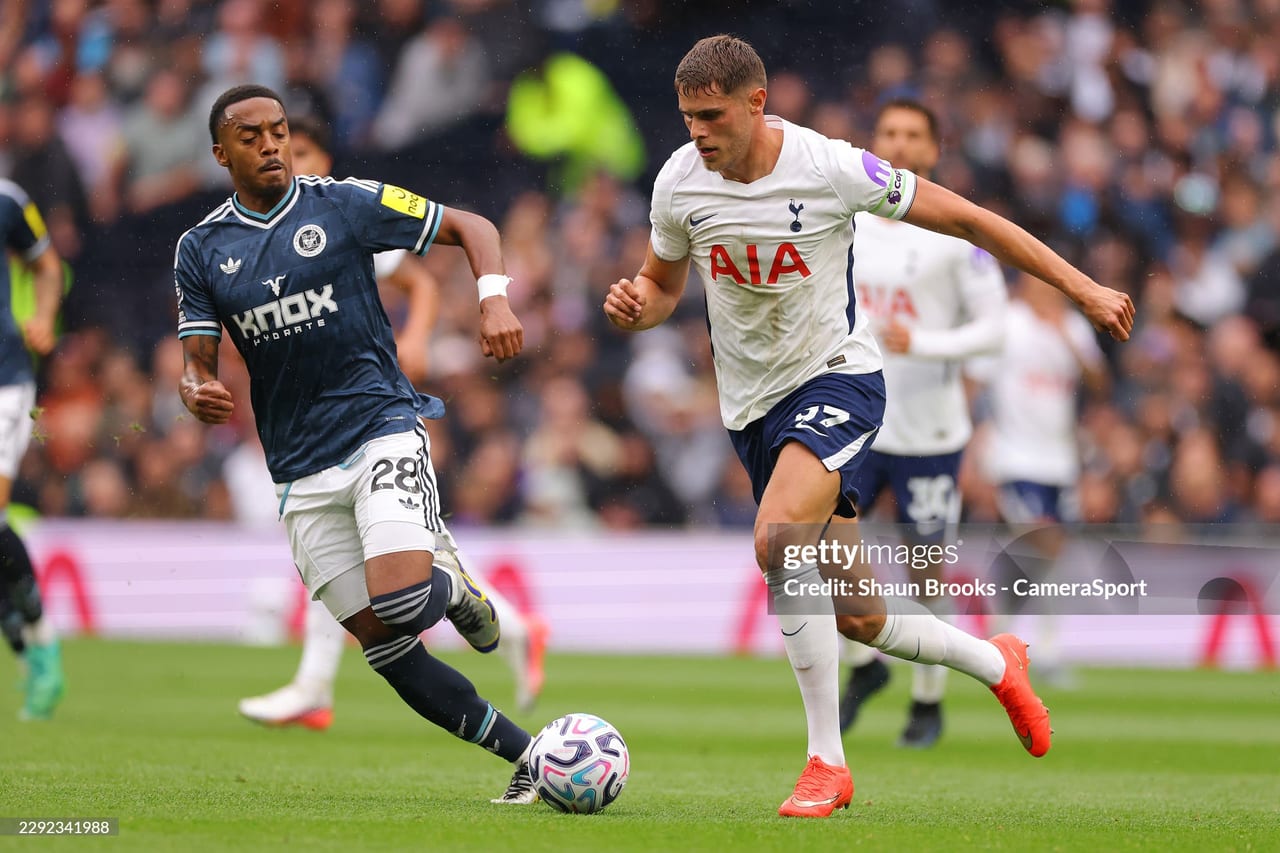
The Dutch duo of Micky van de Ven and Jan-Paul van Hecke have the potential to form a good partnership but it is not currently happening.
Embed from Getty Images
Away form better than home form
Last season, Spurs only won three times on home soil. Victories came against Brentford, Burnley and Everton.
The Tottenham Hotspur Stadium remains one of the best arenas in the country but over recent seasons it has not been an enjoyable place for Spurs to play.
Inevitably, there can be more pressure playing at home and that intensifies when a team is not playing well.
The atmosphere at home can soon change and this can be reflected on the team's performance with players not necessarily wanting to take risks.
Embed from Getty Images
Therefore, an away day to the East Midlands could be a welcome trip as there could be argued to be less pressure when playing away from home.
This was not the case when Spurs went across London to Brentford and conceded an early goal.
However, after a positive result last week there could be said to be more pressure on Forest this week as the home crowd may be expecting another promising performance after the Liverpool draw.
If Spurs were to take an early lead in Nottingham then it could be the home supporters who become restless.
It is still very early in the season
Spurs are searching for a positive result and some points on the board. A win would certainly improve their situation and the mood around the club.
However, it is only the third week of the Premier League season so it is very early on.
Teams lose games and Brentford and Newcastle were always going to be teams that could potentially cause them problems. The performances have not necessarily helped but everything can still change in an instance.
Spurs have invested heavily this summer. Mateus Fernandes and Sandro Tonali are good additions in midfield. Van Hecke and Andrew Robertson are good defenders and Marmoush has the potential to bring goals up front.
Embed from Getty Images
On transfer deadline day, Mykhailo Mudryk and Tosin Adarabioyo joined from Chelsea and they are also players who have the potential to contribute and strengthen the squad.
Therefore, it is likely that the new arrivals will need time to adjust and adapt to life at their new club. It is not time to panic just yet, the club are not in crisis mode.
After the struggles of the previous two seasons, there was always the chance that it would take a while to turn things around.
De Zerbi has been backed and Spurs do need to get their season going but there is not enormous pressure just yet.
It is easy to be negative when things do not go your way but it could be said that this is the time for patience and calm heads.
Embed from Getty Images
That said, every game in the Premier League presents a challenge and Forest will be tough opponents.
However, it is a chance for Spurs to silence their critics and get moving in the right direction.
Whereas, another defeat may leave more questions to be answered.
This is their first of three league games in September before the international break and they will want to be sitting higher up the table when that break comes around.