While Daniel Levy was still at the helm, Tottenham supporters were adamant that the Executive Chairman was holding the club back.
There's obviously some truth to this, with Levy failing to capitalise at the right moments to potentially evolve excellent Spurs teams into winners.
However, towards the end of his tenure, Levy cannot be accused of failing to get the chequebook out. Sure, his methods were grating and alienating, but the club spent big post-Mauricio Pochettino and there was even evidence of him ditching his stringent wage structure through the signing of Xavi Simons.
Levy left his post soon after, and the new regime has certainly presented a relative brashness in the market. They made Conor Gallagher one of the highest-paid players at the club in January, and appeased Roberto De Zerbi by spending upwards of €400m in the summer overhauling their personnel after a wretched campaign.
The splurge was certainly necessary, and the club's Premier League-exclusive policy forced them to pay premiums.
However, recent history would suggest that Tottenham haven't been able to successfully buy their way out of trouble.
Tottenham have been one of the world's worst transfer market operators
In its 557th post, the CIES Football Observatory has presented a ranking of teams around the world based on the appreciation or depreciation of non-academy players signed over the past five years.
The calculation takes into account the fees for players signed and sold during that time frame, as well as the current values of players clubs have signed in the last five years and are still on their books.
Out of all the clubs included in the ranking, Tottenham Hotspur sit fourth-bottom. Their players have depreciated in value by €188m. Only Al Nassr (-€229m), Manchester United (-€405m) and Al Hilal (-€502m) have performed worse, and we can't compare ourselves to the Saudi Pro League clubs, who have cash to burn. They're not functioning to sell players on, are they?
The only other two Premier League clubs boasting a net negative are the newly promoted Coventry City and Ipswich Town. The rest of the division has seen their players increase in value over the past five years, indicating some form of success in the transfer market.
Eintracht Frankfurt (€526m) lead the way, while Manchester City (€447m) have been the best Premier League performers. They may be financial dopers and ultimately cheats, but City wouldn't have had the success they have over the past 15 years if they weren't any good in the market. They've bought incredibly well, but have artificially allowed themselves to have more leeway than others. If a Tijjani Reijnders doesn't come off, Elliot Anderson arrives the following year.
Unsurprisingly, the revered three B's; Brentford, Bournemouth and Brighton & Hove Albion, have helped the values of their players signed increase by more than €300m.
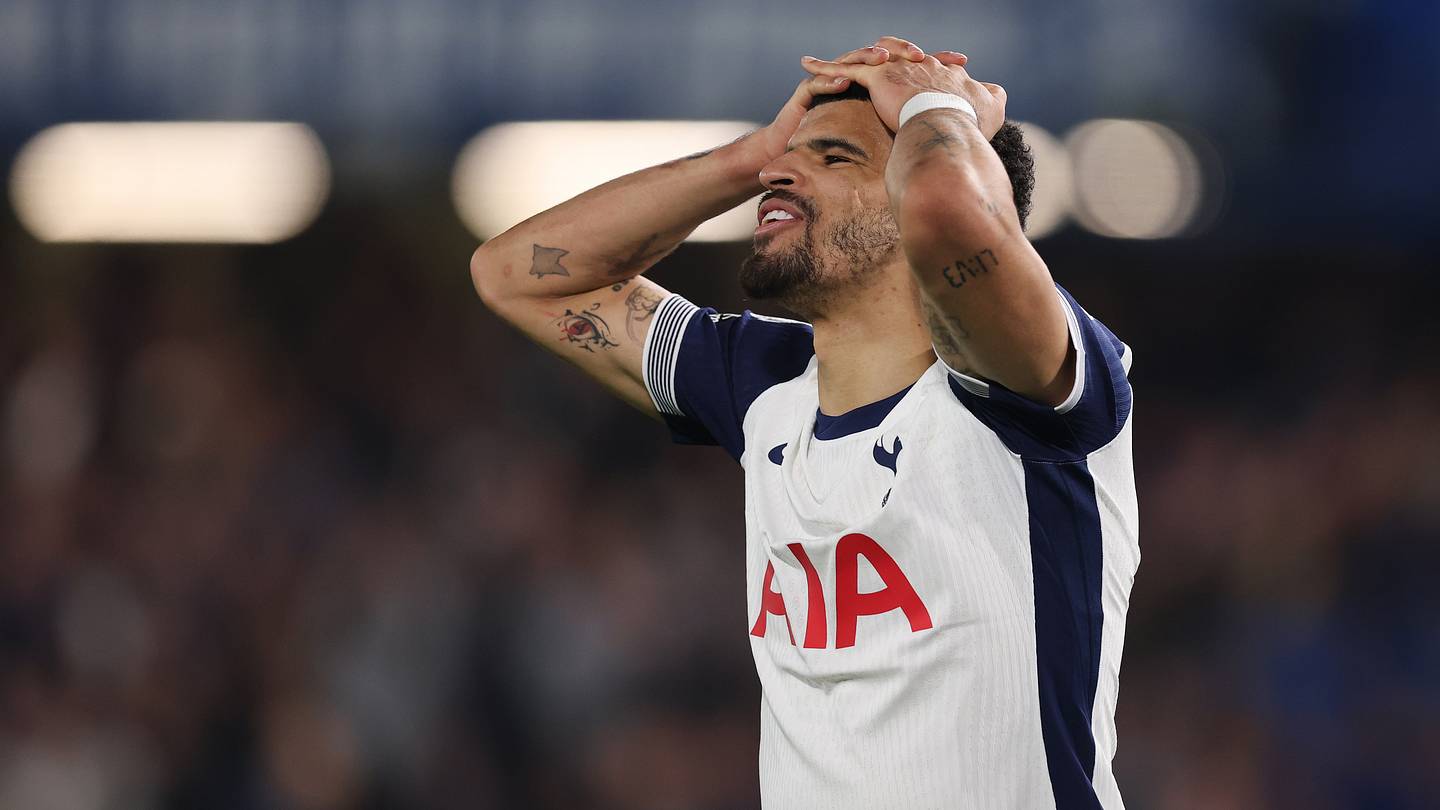
Going back to Spurs, CIES ranks our value depreciation of players still at the club (-€234m) as the worst in the world. That's staggering, and indicative of our summer overspend (as well as the fortunes of Richarlison and Dominic Solanke in N17). Of players signed and sold, the picture is rosier. We've at least entered the world of appreciation on that front (€46m).
I suspect that once De Zerbi's project continues to evolve, and CIES begins to understand why we spent as much as we did to overhaul multiple position groups, that woeful depreciation will begin to ease.