This heavy investment has assembled one of the world’s most expensive squads. According to Transfermarkt, Tottenham’s players are currently valued at a combined €803m, placing the club ninth among global outfits; only Bayern Munich, at €969m, sits ahead of the Spurs in Europe.
Nevertheless, the club now faces relegation from the Premier League. According to Transfermarkt, the most valuable side ever to drop out of the top flight was Leicester City in 2022/23, though their squad was valued at just £444m—less than half of Tottenham’s current total. The Foxes’ own trajectory has since carried them from a 2016 title win down to the third tier.
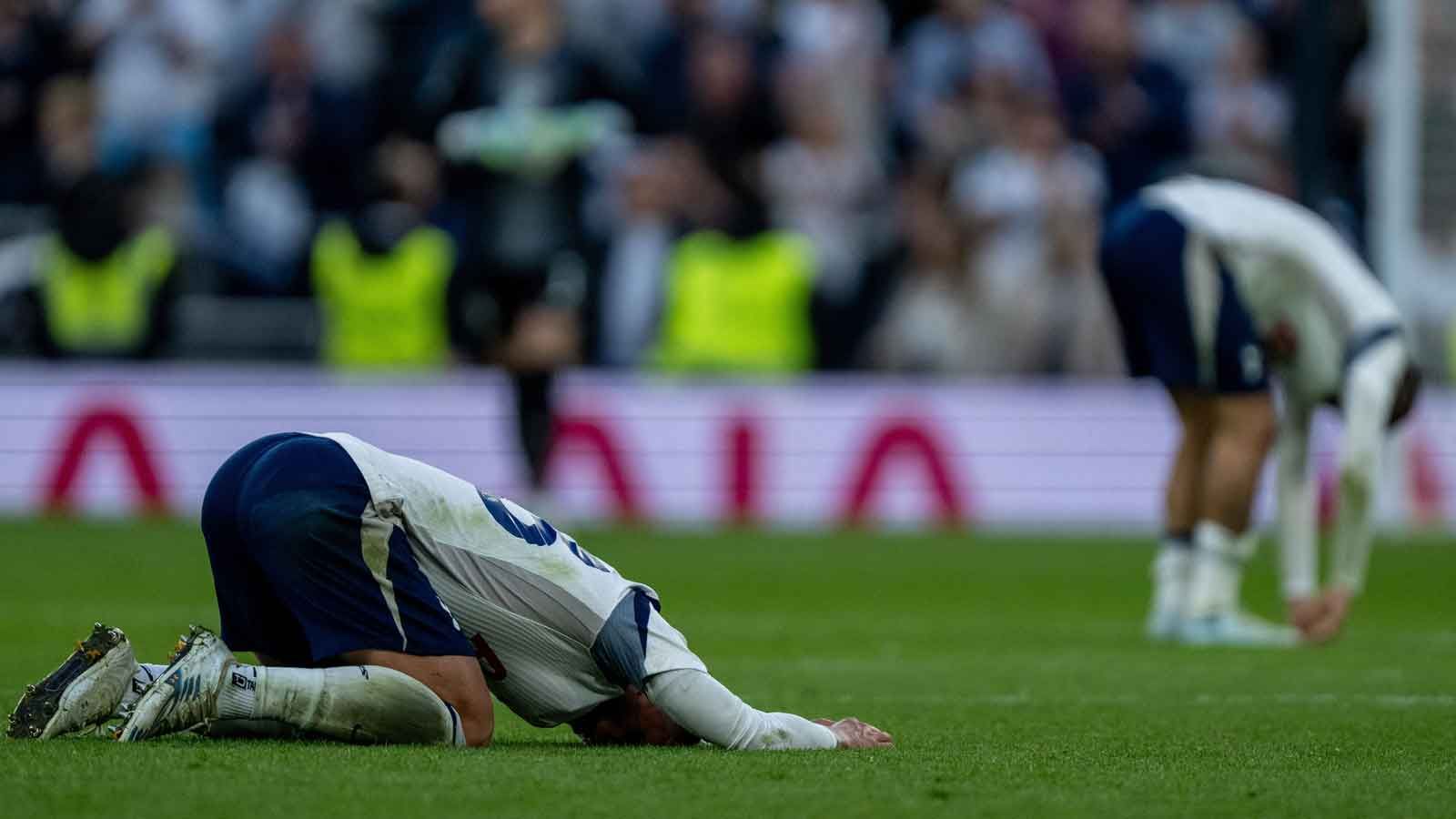
With five matchdays left, Spurs are two points adrift of the safety of 17th place, currently held by West Ham United. That deficit feels significant—a considerable distance to make up. Their last Premier League win came on 28 December, a 1–0 victory over Crystal Palace, since when they have gone 15 matches without victory and seen two managerial changes.
Danish boss Thomas Frank was sacked in February; his Croatian successor, Igor Tudor, lasted just 44 days before making way for Italian Roberto De Zerbi. In his second match, a 2–2 draw with Brighton & Hove Albion on Saturday, De Zerbi appeared poised to end the drought. However, Austrian defender Kevin Danso’s costly stoppage-time error gifted the Seagulls an equaliser. Danso then endured a racist backlash on social media, prompting the club to issue a statement condemning the abuse.
Should they fail to beat Wolves this Saturday—making it 16 matches without a win—Spurs will match a 91-year-old club record last set in 1935. Next up are already-relegated Wolves, the weakest of the remaining opponents. After that, Spurs face Chelsea, Aston Villa, Leeds United and, on the final matchday, Everton.
“This team can win five games in a row,” insists manager De Zerbi, who is trying to boost morale with an edict to stay upbeat. “They have to come to training with a smile, otherwise they can go straight home,” says De Zerbi. “I have no time for negative people, sad players or assistant coaches. I don’t like people who whinge and think negatively.”
Although Tottenham are not among England’s most decorated clubs, they have long been part of the national elite. The Spurs won the league title in 1951 and 1961; as one of only six founding members of the Premier League, which began in 1992, they have never been relegated; over the past 13 years, they have finished in the top six on ten occasions; in 2017 they were runners-up, reached the Champions League final in 2019, and last May won the Europa League, their fourth European trophy and their first title since 2008.
Despite this success, manager Ange Postecoglou was sacked after a poor domestic campaign saw the club slip as low as 17th, with European glory becoming the sole priority. A fresh transfer splurge preceded a promising start under Frank, and by mid-October the side sat third in the Premier League.
Daniel Levy’s surprise exit in September further energised the support, and he was succeeded by the relatively unknown Peter Charrington and Vinai Venkatesham. As autumn wore on, domestic form slipped, yet the club remained competitive in the Champions League. In January they comfortably beat Borussia Dortmund and Eintracht Frankfurt to finish fourth in their group.
They were then eliminated by Atlético Madrid in the round of 16. The tie is remembered mainly for Tudor’s curious handling of Antonin Kinsky: in the first leg, the then manager surprisingly picked his nominal second-choice goalkeeper to start, but hauled him off after just 17 minutes with the score at 0–3 following glaring errors.
On the one hand, there was an excellent start to the season and impressive results in the Champions League group stage. On the other, there has been a historic slump in the Premier League since the turn of the year. Logically, it is hard to explain how these two performances coexist. However, underlying problems are clear.
Years of frequent managerial changes have left the squad expensive yet piecemeal, lacking clear structure or hierarchy. Long-serving captain Heung-Min Son departed last summer, leaving a vacuum in leadership that has undermined team stability and resilience. In their past 32 league matches when falling behind, Spurs have failed to earn a single win.
Injuries have only deepened the crisis: Daniel Kulusevski and James Maddison, two of the club’s best players, have yet to feature this season, while Lucas Bergvall and Dominic Solanke spent months on the sidelines. Mohammed Kudus has been out since early January, and captain Cristian Romero is likely ruled out for the campaign.
Several new signings failed to live up to expectations, including former Bayern Munich duo Joao Palhinha and Mathys Tel. Palhinha, currently on loan, began brightly with a spectacular bicycle-kick goal, yet Tottenham will not activate his €30 million buy option, meaning he will return to Bayern in the summer. From a financial perspective, the German record champions are therefore suffering alongside the Spurs; on a personal level, Harry Kane is also likely to be deeply affected by his long-standing club’s relegation.
Xavi Simons also failed to live up to his potential overall, though he did manage to score two points in the 2-2 draw against Brighton at the weekend. Sporting director Max Eberl, sporting director Christoph Freund and manager Vincent Kompany were desperate to bring Simons to FC Bayern last summer. Club president Uli Hoeneß refused to release the funds, offering only a figurative slice of apple pie as consolation. Tottenham then pounced, making Simons their record signing for €65 million—another costly investment that has yet to pay off.