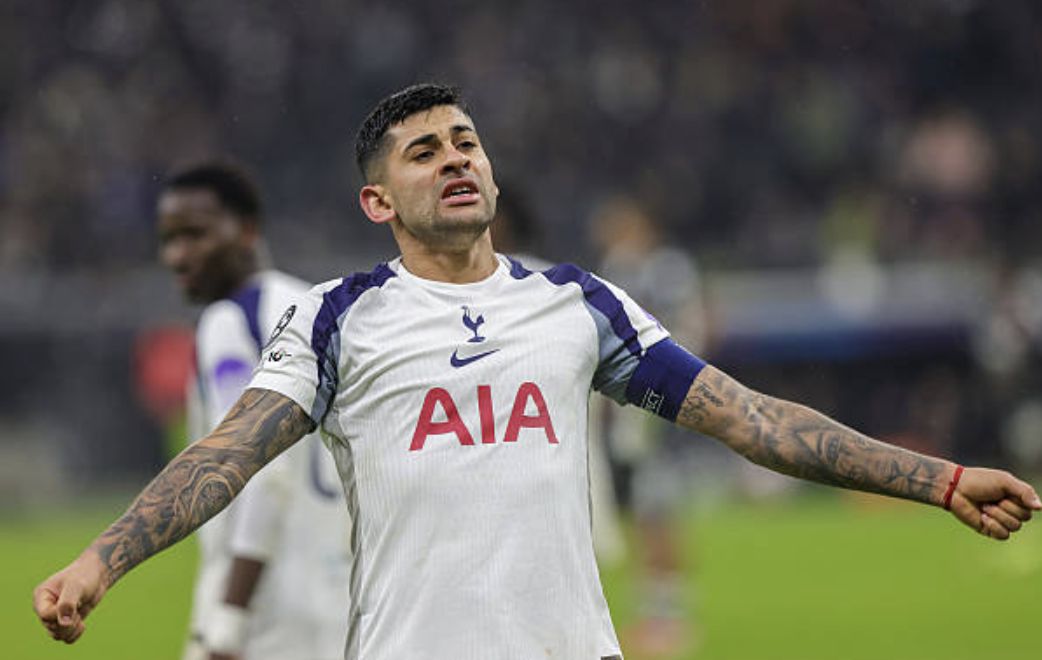
Another Tottenham transfer window closes, and it will be interesting to see who in the fanbase is still supporting the ENIC regime. There was a time when a certain fan of the fanbase defended the shrewd spending of our Lords and masters. was mixed at best, and many analyses lean toward it not being particularly good—especially given the club’s struggles in the Premier League (sitting around 14th with no wins in 2026 so far) and manager Thomas Frank under pressure.
Those in the know understand how to get unbeatable value, not just in the transfer market but also in how fans manage money around football. With match tickets, streaming services, and international subscriptions becoming more common, many supporters use digital wallets for convenience, such as recharge Aircash, where you don’t need to have a bank account or credit card.
Conor Gallagher from Atletico Madrid for around £34-35m: This was the marquee signing, a solid England international midfielder with experience. It addressed an urgent need after Rodrigo Bentancur’s season-ending injury, providing depth and quality in central midfield. Many viewed this as a smart, timely addition.
Souza from Santos for £13m: A 19-year-old left-back/defender, more of a long-term prospect unlikely to impact the first team immediately.
A few minor/youth additions (e.g., Mason Melia from St Patrick’s Athletic, potential loan/purchase of young Scottish striker James Wilson from Hearts for the U21S, and others like Elisha Sowunmi).
Tottenham Hotspur‘s January 2026 transfer window was widely regarded as underwhelming, especially given their poor form (sitting 14th in the Premier League, just nine points above the relegation zone) and a mounting injury crisis that left them with limited squad depth.
Criticisms from fans, media, and even players like Romero (who called the situation “disgraceful” on social media, highlighting only 11 fit players available for a match) centred on a lack of ambition, poor planning, and failure to reinforce amid a crisis.
In short, Tottenham did not have a particularly good transfer window—it was pragmatic and addressed one key gap (midfield), but the net effect felt neutral to negative amid sales, loans, and no major attacking reinforcements.