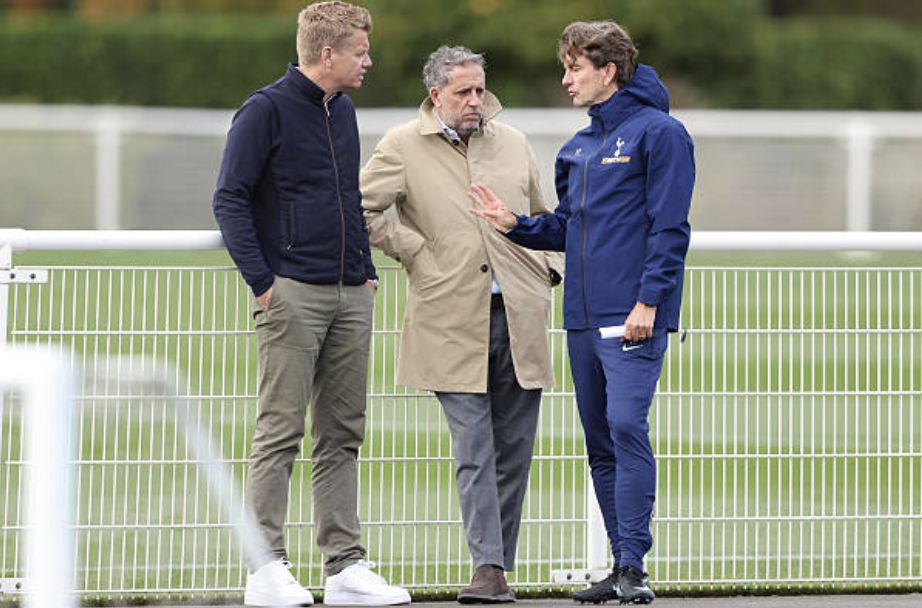
Johan Lange joined Tottenham Hotspur as Technical Director in November 2023 (starting effectively after his appointment in October 2023) and was promoted to joint Sporting Director (alongside Fabio Paratici) in October 2025. His primary responsibilities have centred on recruitment, scouting, data analytics, infrastructure, performance areas (like medical and academy), and collaborating on player identification and transfers.
Tottenham’s on-pitch performance has been poor during his tenure—the team has struggled significantly, sitting 16th in the Premier League as of February 2026, just above relegation, with a dismal record (e.g., only two wins in recent stretches, leading to the sacking of head coach Thomas Frank and the appointment of interim Igor Tudor). Much criticism has focused on recruitment misses, slow windows, squad imbalances, and overall results.
That said, some aspects of Lange’s work have drawn positive notes, particularly in targeted youth and high-potential signings where Tottenham beat competition or secured talents at good value:
Securing exciting young talents against big clubs: Notable successes include beating Barcelona to Lucas Bergvall (a highly-rated Swedish midfielder often praised as a generational prospect with exceptional technique and potential) and Bayern Munich to Radu Dragusin (a young center-back). These were highlighted as major coups, with charm offensives involving the club, coach, and players like Dejan Kulusevski playing key roles.
Other youth additions like Archie Gray, Wilson Odobert, and prospects such as Luka Vuskovic and Yang Min-hyeok have been part of building a promising pipeline.
Focus on data-driven and strategic recruitment elements: Coming from a background at FC Copenhagen (known for smart, low-cost signings with high resale value) and Aston Villa, Lange has emphasised data analytics in scouting and identification.
Some signings (e.g., certain prospects or additions like Kudus mentioned in fan discussions as hits) have been viewed as strengthening the squad or adding quality in key areas.
Alignment with club identity and long-term vision: In interviews, Lange has stressed ambitions for possession-dominant, aggressive, attacking football that resonates with Tottenham’s history of exciting, offensive play and fans’ expectations. He has pushed for a style that controls matches and creates chances, tying into the club’s tradition of world-class attackers.
However, these positives are often overshadowed by broader criticisms: many windows have been seen as underwhelming or poorly timed, with insufficient impact players, failures to address key needs (e.g., replacing ageing stars like Son Heung-min effectively), and a low wage bill limiting competitiveness among top clubs. Fan and media sentiment frequently point to recruitment hit rates being low overall, with the team’s league position reflecting poorly on his oversight.
In summary, Lange’s strongest contributions appear to be in landing high-ceiling young players who chose Spurs over elite rivals and laying groundwork for a youth-focused, data-informed approach—but results on the pitch have not matched, leading to intense scrutiny in the current crisis.