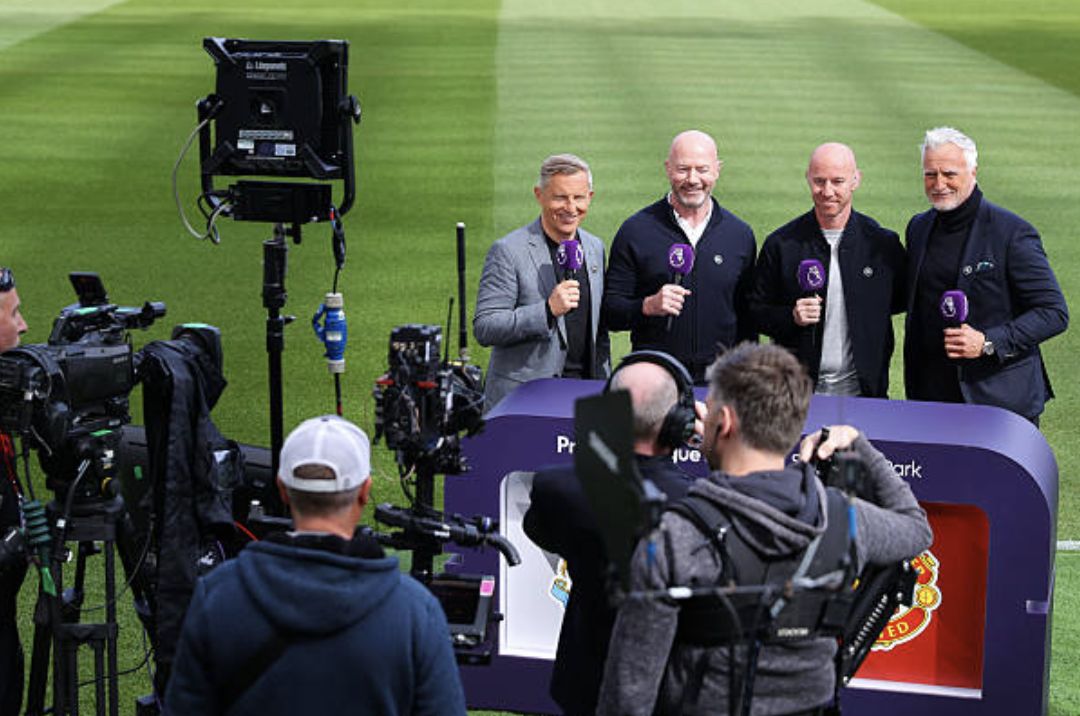
David Ginola was very important to Tottenham Hotspur during his time there from 1997 to 2000, though his significance is more about flair, entertainment value, individual brilliance, and cult status than sustained team success or trophies beyond one notable win.
He joined Spurs from Newcastle United for £2.5 million in the summer of 1997, bringing his trademark elegance, dribbling, long-range goals, and charisma to White Hart Lane. In total, he made 127 appearances for the club, scoring 22 goals and providing numerous assists (official Premier League records show him with 21 assists in his Spurs career, though totals vary slightly by source).
His standout achievement came in the 1998-99 season, when he played a pivotal role in Tottenham winning the League Cup (beating Leicester City 1-0 in the final). That same year, his performances earned him the PFA Players’ Player of the Year award (voted by his peers) and the FWA Footballer of the Year—rare individual honours for a Tottenham player in that era, especially given the club’s mid-table status.
Ginola embodied the “Tottenham way” of attacking, stylish football that fans crave. He produced moments of magic, like his stunning solo goal against Barnsley in the 1999 FA Cup quarter-final (a mazy run and finish often replayed as one of the club’s iconic individual goals). He was a player who got supporters off their seats with his skill, flair, and Hollywood looks—often described as a “cult hero” and one of the most gifted wingers of the Premier League’s early years.
While Tottenham didn’t achieve major league success during his tenure (they were often inconsistent and trophyless outside that League Cup), Ginola became a symbol of exciting, entertaining football in a period when the club needed stars to lift spirits.
Recent fan reactions on social media to birthday tributes from the official Spurs account still call him a “legend,” and he’s frequently included in lists of beloved Spurs figures from the 90s alongside names like Klinsmann or Gascoigne.
Ginola wasn’t the most decorated player in Tottenham history, but his three years at the club left a lasting emotional and aesthetic legacy. He represented joy, beauty, and individuality in an otherwise frustrating era for Spurs fans