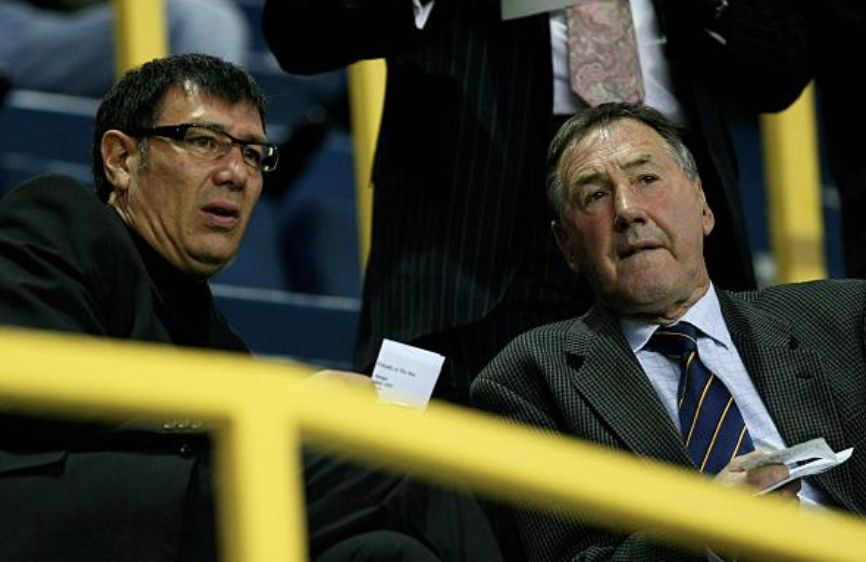
Keith Burkinshaw served as Tottenham Hotspur’s manager from 1976 to 1984, a period widely regarded as one of the club’s most successful post-Bill Nicholson eras.
He took over during a challenging time. Tottenham were relegated from the First Division in his first full season (1976-77). However, he guided them back to the top flight the following year (1977-78), including a memorable 9-0 win over Bristol Rovers.
His major achievements include winning three major trophies:
FA Cup in 1981 (beating Manchester City 3-2 after a replay, with Ricky Villa’s iconic goal).
FA Cup again in 1982 (beating QPR 1-0).
UEFA Cup in 1984 (Tottenham’s second win in the competition, defeating Anderlecht on penalties in the final).
He also won the Charity Shield (English Super Cup) in 1981.
Burkinshaw is credited with building an exciting, attacking side that embodied Tottenham’s tradition of entertaining football. A key part of his legacy was pioneering the signing of overseas players in English football, most notably bringing in Argentinian World Cup winners Ossie Ardiles and Ricardo Villa in 1978.
This was groundbreaking at the time, as foreign players were rare in the English game, and it helped elevate the team’s flair and creativity—though it drew criticism from the press initially.
He ranks as one of Tottenham’s most successful managers historically (second only to Bill Nicholson in major trophies won during his tenure), and the club inducted him into their Hall of Fame. Fans and sources often place him alongside legends like Nicholson for delivering silverware and memorable moments.
His departure in 1984 was dramatic—he famously said, “There used to be a football club over there” as he walked away after winning the UEFA Cup, feeling unappreciated by the board despite the success.
Even today, among Spurs supporters (especially older ones), Burkinshaw is frequently cited as a benchmark for managers who brought trophies and embodied the club’s proactive, attacking style. Recent discussions on X compare him to modern managers, highlighting his enduring status as a club icon.